
Wednesday, November 19, 2008
Monday, November 17, 2008
Wednesday, November 12, 2008
Who Was Luke?
"Luke is an interesting writer because he did not know Jesus Christ personally.
He became a follower after the Lord’s death, when Paul taught him the gospel.
Luke had been a physician, but he left that profession to travel with Paul. He
had the opportunity to talk with many of the Apostles as well as others who were
eyewitnesses to special events or moments in the Lord’s life. In the first few
verses of his book, Luke says that he is going to write the things that
eyewitnesses and other teachers of the gospel had to say about the Savior.
Apparently he had the opportunity to talk to many who were present when the
Savior taught or performed miracles.
One of the most amazing stories Luke wrote about was the birth of the Savior. Elder Bruce R. McConkie (1915–85) of the Quorum of the Twelve Apostles says that Luke probably got his
information about Jesus’s birth from Mary herself. Who were the other people Luke interviewed about Jesus Christ? The list would have been long. Many of the people who knew the Savior would still have been alive and would have remembered such important times in
their lives. Paul mentions that about 500 people saw the Savior after His Resurrection and that most of them were still alive when he was writing to the Corinthians (see 1 Corinthians 15:6). "
He became a follower after the Lord’s death, when Paul taught him the gospel.
Luke had been a physician, but he left that profession to travel with Paul. He
had the opportunity to talk with many of the Apostles as well as others who were
eyewitnesses to special events or moments in the Lord’s life. In the first few
verses of his book, Luke says that he is going to write the things that
eyewitnesses and other teachers of the gospel had to say about the Savior.
Apparently he had the opportunity to talk to many who were present when the
Savior taught or performed miracles.
One of the most amazing stories Luke wrote about was the birth of the Savior. Elder Bruce R. McConkie (1915–85) of the Quorum of the Twelve Apostles says that Luke probably got his
information about Jesus’s birth from Mary herself. Who were the other people Luke interviewed about Jesus Christ? The list would have been long. Many of the people who knew the Savior would still have been alive and would have remembered such important times in
their lives. Paul mentions that about 500 people saw the Savior after His Resurrection and that most of them were still alive when he was writing to the Corinthians (see 1 Corinthians 15:6). "
from the New Era, Who Were Matthew, Mark, Luke, and John? by Janet Thomas (pp 20-21)
Monday, November 3, 2008
Ponder the Scriptures......


"Pondering, which means to weigh mentally, to deliberate, to meditate, can achieve the opening of the spiritual eyes of one's understanding. Also, the Spirit of the Lord may rest upon the ponderer"
Conference Report, Apr 1982; Ensign, May 1982
Monday, October 27, 2008
John 7:17
"If any man will do his will, he shall know of the doctrine, whether it be of God, or whether I speak of myself."
Understanding: If we have a "hard time" with a law of the gospel (especially with accepting it), IF WE JUST TRY IT BY LIVING IT, we will KNOW it is from God (we will gain a testimony of it).
- Try it, you'll like it.
- Live it, and you will experience the blessings that come from living it.
- Follow it, and you will gain an understanding of it.
- Obey it, and you will draw closer to God because of it.
- Obey it, and you will know it is a true law from God because it will bring you happiness.
- Not so sure? TRY IT and you will see.
Friday, October 24, 2008
From the Student Manual: Applying the Scriptures to Ourselves
"Apply
The real value of knowledge you gain from the scriptures comes when you live what you learn. Greater closeness to the Lord and feeling the peace He gives are just some of the blessings that come to those who live the gospel. In addition, the Lord said that those who live what they learn will be given more, while those who will not live what they learn will lose the knowledge they have (see Alma 12:9–11).
“Feast upon the words of Christ; for behold, the words of Christ will tell you all things what ye should do” (2 Nephi 32:3). "
(New Testament Student Manual, page 6)
The real value of knowledge you gain from the scriptures comes when you live what you learn. Greater closeness to the Lord and feeling the peace He gives are just some of the blessings that come to those who live the gospel. In addition, the Lord said that those who live what they learn will be given more, while those who will not live what they learn will lose the knowledge they have (see Alma 12:9–11).
“Feast upon the words of Christ; for behold, the words of Christ will tell you all things what ye should do” (2 Nephi 32:3). "
(New Testament Student Manual, page 6)
From the Classroom
"...Except a man be born of water and of the spirit, he cannot enter into the kingdom of God."
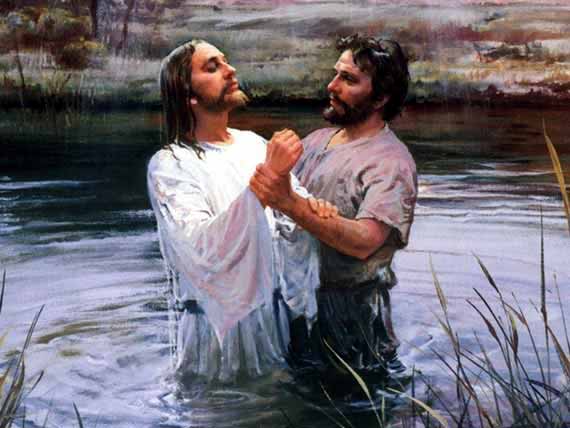
Physical Birth:
Our mortal life begins.
We inherit physical and mental traits and material things from our parents.
We receive our father's name.
We can become like our parents.
Spiritual Birth:
We begin a new life in Christ.
We are given talents and spiritual gifts from our Heavenly Father.
We take upon us the name of Christ.
We begin our progression towards becoming like our Father in Heaven.
Baptized a
Gift of the Holy Ghost a
Where am I on the path to Eternal Life?
Thursday, October 23, 2008
From the Classroom
The Parable of the Sower

What ground do I stand on?
Do I try to learn the gospel? Or or am I standing by the wayside?
Am I doing things to try to develop a testimony? Or am I standing on stony ground?
Do I make the gospel a priority in my life? Or am I living among the thorns?
Am I living, learning, and growing in the gospel? Do I share it with others? Am I standing on good ground?
Thursday, October 9, 2008
Why Bother With Seminary?
by Darrin Lythgoe
Life is stressful enough with school, social pressures, and family responsibilities to juggle every day, so why bother with seminary?
There are lots of reasons. In fact, sticking with seminary might just be one of the smartest things you ever do.
Here are just a few of the potential rewards waiting for those who make seminary a part of their daily schedule this school year.
Testimony. A personal testimony of the restored Church and the Savior’s divine mission is the most valuable knowledge you can gain in this life.
Good friends. You’ll get to know other youth from your area who share your beliefs and standards.
Blessings from obedience. You’ll gain great peace knowing you’re doing what your Heavenly Father wants you to do.
Scripture mastery. With a little work, you can learn and understand the scriptures. Through the scriptures, you can come to know the Savior better.
Inspiration. A daily dose of spirituality can open and enlighten your understanding, maybe just when you need it most.
Rest. Leave your earthly cares in your locker for an hour. When you’re through, your mind will feel clearer.
Spiritual confidence. With a little study, you’ll feel more comfortable discussing gospel topics. You’ll also find it easier to answer questions from friends.
Missionary preparedness. In just a few years, you’ll be ready to teach the gospel on your own. Soak it in now—you’ll thank yourself later.
Gospel knowledge. There’s so much to learn, from Adam and Eve to Lehi’s dream and Joseph Smith’s First Vision.
Thursday, October 2, 2008
How Do I Study Effectively?

Preach My Gospel
Chapter 2
How Do I Study Effectively and Prepare to Teach?
The Lord has said, "Seek not to declare my word, but first seek to obtain my word, and then shall your tongue be loosed; then, if you desire, you shall have my Spirit and my word, yea, the power of God unto the convincing of men" (D&C 11:21). ........For you to grow in the gospel and stay on the path that leads to eternal life, you need to develop a habit of gospel study (see D&C 131:6). .........
Effective daily study must always begin with prayer. Study is an act of faith requiring the use of personal agency. Many missionaries struggle to know how to study effectively. Some rely heavily on others or on structured programs to tell them what and how to study. While learning from a good teacher is very important, it is more important for you to have meaningful learning experiences on your own. Getting good results from your study depends on having a strong desire to learn, studying with "real intent" (Moroni 10:4), "hunger[ing] and thirst[ing] after righteousness" (Matthew 5:6), and searching for answers to your ............ questions and concerns.
Tuesday, September 30, 2008
More Study Helps
Ask Questions
From the student manual:
Before you read it is helpful to ask yourself questions like “Who wrote these verses?” “To whom?” “Why is this teaching included in the scriptures?” “What do I want to know or learn as I read today?” and “What would the Lord want me to learn from these scriptures?” As you read the scriptures, look for answers to your questions. Remember that you can also use the study helps in the Latter-day Saint editions of the scriptures or look for answers in Church manuals and publications.
Scripture Study Challenges......
This is one of the most difficult challenges when it comes to studying the scriptures, but I know from personal experience that when we follow the Prophet's counsel that our faith will be strengthened and our love for the scriptures, the Savior and our Heavenly Father will increase.

"Now that we know what scripture study is, how and when should we do it? In the November 1979 Ensign article, "Reading the Scriptures,"
President Howard W. Hunter
said,
"We should not be haphazard in our reading but rather develop a systematic plan for study. There are some who read to a schedule of a number of pages or a set number of chapters each day or week. This may be perfectly justifiable and may be enjoyable if one is reading for pleasure, but it does not constitute meaningful study. It is better to have a set amount of time to give scriptural study each day than to have a set amount of chapters to read. Sometimes we find that the study of a single verse will occupy the whole time."
If we had the goal to read 10 pages and then stop, we would miss a wealth of knowledge that can only be found when reading footnotes and cross-referencing."
Thursday, September 25, 2008
How to Make the Scriptures Your Own

While reading the scriptures:
1) LOOK FOR the principles
(i.e. moral of the story, lesson learned, cause and effect, rules to live by)
2) APPLY them to your life
(I can live this principle by....)
3) Set goals to help you live the principle.
4) LOOK FOR yourself in the scriptures.
(How would I have responded to Jesus' message?)
5) LOOK FOR answers:
a) to questions on doctrine (what should we pray for?)
b) to personal problems (how can I overcome this weakness?)
6) LOOK FOR reasons the author included this story in his writings (why do we need to know about the wars between the Lamanites and the Nephites?)
more to come...
Tuesday, September 23, 2008
Blessings From Daily Scripture Study

"Be ye therefore perfect, even as your Father which is in heaven is perfect. "
2) It eases stress and anxiety
3) It brings us closer to our Father in Heaven.
Thursday, June 12, 2008
Why Study the Scriptures?
It seems that the answer to most questions asked during a church class is one or all of the following:
pray
read the scriptures
go to church
In our seminary class this year we are going to try something: keeping a running list of blessings from studying the scriptures, based on the questions that are asked that lead to the above answers. The list will be shared here.
So WHY should I study the scriptures? BLESSINGS of course! And what are they? Stay tuned...
Subscribe to:
Posts (Atom)